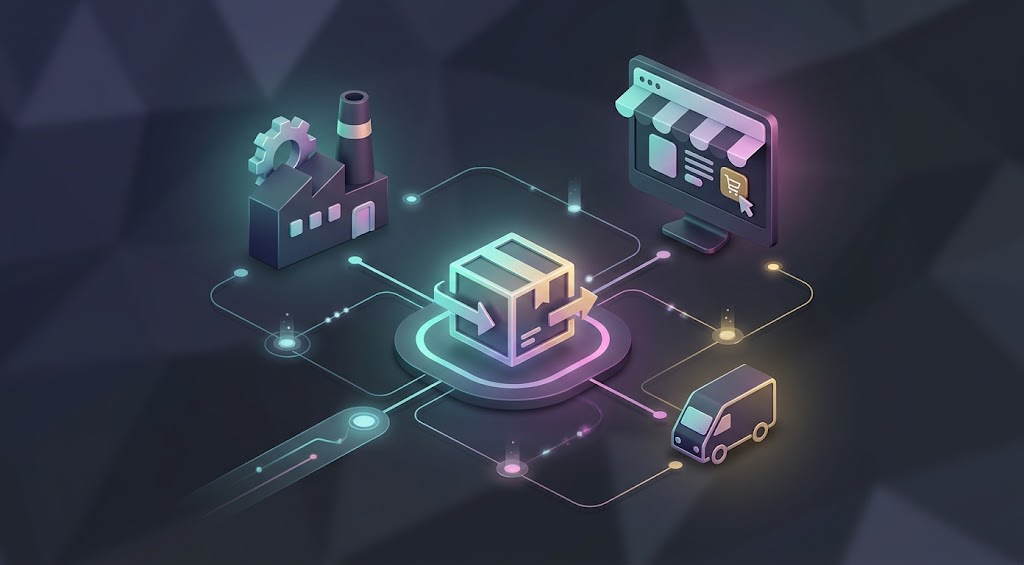
Starting or scaling an online store comes down to one question that trips up more entrepreneurs than any other: where do the products actually come from? For retailers who don’t want to sink cash into inventory, warehouse space, or shipping logistics, dropshipping suppliers are the answer. But not all suppliers are created equal, and picking the wrong one can mean slow shipping, inconsistent stock, or products that just don’t sell.
This guide walks through what makes a dropshipping supplier worth working with, how to evaluate your options, and why the supplier relationship is the single most important decision you’ll make as a dropshipping retailer.
Why Dropshipping Suppliers Matter More Than People Think
New retailers often focus on their storefront — the theme, the branding, the ad spend — and treat the supplier as an afterthought. That’s backwards. Your supplier determines:
- How fast orders ship. Customers judge your store by delivery speed, even though a third party is fulfilling the order.
- Product quality. Returns, complaints, and bad reviews almost always trace back to the supplier, not the storefront.
- What you can sell. A limited catalog caps your growth; a broad one lets you test new niches without switching platforms.
- Your margins. Wholesale pricing, minimum order requirements, and fee structures all vary widely between suppliers.
In other words, the supplier isn’t a background detail. It’s the backbone of the business.
What to Look for in a Dropshipping Supplier
1. A Wide, Well-Organized Product Catalog
Retailers need room to experiment. A supplier that only carries one or two categories forces you to juggle multiple accounts and platforms just to build out a diverse store. Look for suppliers with thousands of SKUs across varied categories — home goods, apparel, electronics, pet supplies, and more — so you can test what resonates with your audience without starting from scratch elsewhere.
2. Easy Integration With E-Commerce Platforms
Manual order entry doesn’t scale. The best dropshipping suppliers plug directly into the platforms retailers already use — Shopify, WooCommerce, BigCommerce, and similar — so that inventory syncs automatically, orders route without manual copy-pasting, and tracking numbers update on their own. This kind of integration is what turns dropshipping from a side hustle into a real, scalable operation.
3. Domestic Warehousing and Shipping
Suppliers based overseas can mean shipping times stretching into weeks, which is a fast way to lose customers. U.S.-based suppliers with domestic warehouses cut delivery times dramatically and make it far easier to offer the kind of shipping speed today’s shoppers expect.
4. Transparent Pricing
Retailers need to know their true costs upfront: wholesale price, any membership or subscription fee, and shipping cost per order. Suppliers that hide fees in the fine print erode margins retailers didn’t plan for.
5. Reliable Customer Support
When something goes wrong — a delayed shipment, a damaged product, a stock discrepancy — retailers need a supplier that answers quickly. A responsive support team is often the difference between a minor hiccup and a lost customer.
TopDawg: A U.S.-Based Option Worth Considering
TopDawg is a dropshipping platform built around exactly these priorities. It connects retailers with a large network of U.S.-based suppliers spanning a wide range of product categories, so store owners aren’t locked into a single niche. The platform is designed to integrate directly with popular e-commerce platforms, which means product listings, inventory levels, and order fulfillment can sync automatically instead of requiring manual updates.
For retailers, that translates into:
- Variety — a catalog broad enough to build a full store or expand an existing one into new categories.
- Speed — domestic suppliers mean shorter shipping windows than many overseas alternatives.
- Simplicity — integration with major e-commerce platforms removes much of the manual busywork that eats into a retailer’s time.
For suppliers, platforms like TopDawg offer a way to reach a growing base of online retailers actively looking for new products to sell, without having to build out their own retail-facing sales channel.
How to Evaluate a Supplier Before Committing
Before signing up with any dropshipping supplier, it’s worth running through a short checklist:
- Test the ordering process. Place a sample order to see actual shipping speed and packaging quality firsthand.
- Check return and refund policies. Know exactly who handles returns — you or the supplier — before a customer asks.
- Confirm integration compatibility. Make sure the supplier connects cleanly with your specific e-commerce platform.
- Read the fine print on fees. Membership costs, per-order fees, and minimum order quantities all affect your bottom line.
- Look at product photography and descriptions. Suppliers who provide high-quality images and detailed specs save retailers hours of extra work.
The Bottom Line
Dropshipping remains one of the lowest-barrier ways to start an online retail business, but its success hinges entirely on the supplier relationship. A good supplier gives retailers variety, speed, and simplicity — the three things that let a small store compete with bigger players. Platforms like TopDawg, with U.S.-based warehousing and direct e-commerce integrations, are built to check those boxes for retailers who want to spend less time on logistics and more time growing their business.
Whether you’re launching your first store or looking to diversify an existing one, the right dropshipping supplier isn’t just a vendor — it’s a growth partner.